Our Programs
At St. Michael’s, students grow through a thoughtfully designed academic program that challenges and inspires, with a strong foundation in mathematics and language arts. In Middle School, all seventh- and eighth-grade classes are honors-level, and high school credit is offered in Algebra, Geometry, Spanish I, and Earth Science.
Learning extends beyond the classroom through music, theater, study skills, and reading enrichment, while electives, community service, and co-curricular activities help students build confidence, character, and a sense of responsibility toward others and the world around them.
Click a program to learn more!
Academic Program
Challenging, engaging, and hands-on
At St. Michael’s, our inquiry-based curriculum inspires students to think critically, explore creatively, and reflect thoughtfully. Through hands-on learning and stimulating activities, students become independent, curious, and well-rounded learners ready to engage with the world.
Religion & Values
Our DRAGONS’ VALUES: Kindness, Respect, Acceptance, Integrity, Responsibility, Resilience, and Compassion
At St. Michael’s, students learn to respect others and understand their roles in the community through values instruction, chapel programs, and service projects. In Lower School, students explore biblical history and world religions, gaining a foundation in ethics, faith, and cultural understanding.
In Middle School, our Explore, Serve, & Lead (ESL) and Advisory programs guide students’ social-emotional growth. Through meaningful service projects, student-led chapel experiences, and leadership opportunities, students develop compassion, responsibility, and respect while learning to build bridges within themselves, their community, and the wider world.
SERVICE LEARNING
Service is at the heart of a St. Michael’s education. From student-led projects to classroom outreach, students of all K-8 grades engage in experiences that foster empathy, character, and global citizenship. Each year, our Middle School students complete meaningful service both on campus and in the Richmond community, putting values into action.

Spanish
Fluency, culture, and excellence
At St. Michael’s, our Spanish program meets the National Standards for Foreign Language Education established by the American Council on the Teaching of Foreign Languages (ACTFL). Lower School students (grades 2–5) explore basic vocabulary, phrases, and the rich cultures of Spanish-speaking countries, building a strong foundation in communication and cultural understanding.
In Middle School, Spanish becomes a core academic class, meeting five days a week. By graduation, most students earn high school credit in Spanish I, with many ready to continue at the honors level in Spanish II. More importantly, our students leave with the ability to communicate fluently and confidently in Spanish.
An Award-Winning Program
St. Michael’s students consistently excel on the National Spanish Exam, the nation’s leading assessment of Spanish proficiency. In spring 2025, 10 of our eighth graders earned GOLD (scoring 95%+ nationally), 14 earned SILVER, and 22 received Bronze or Honorable Mention—an achievement that celebrates our Dragons’ hard work, skill, and love of language.

Libraries
At St. Michael’s, our Lower School Library (Hubbard Hall) and the newly remodeled Ann and Buddy Allen Library (Singleton Hall) are vibrant hubs of learning, open daily to students and faculty. Lower School classes visit weekly, where librarians guide students in developing reading, listening, and information literacy skills, alongside fun and engaging enrichment activities.
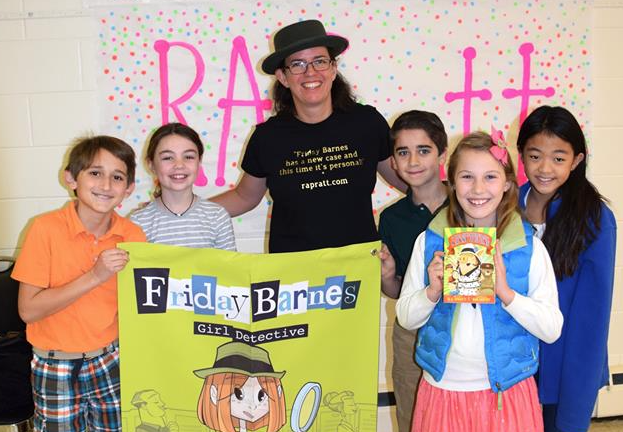
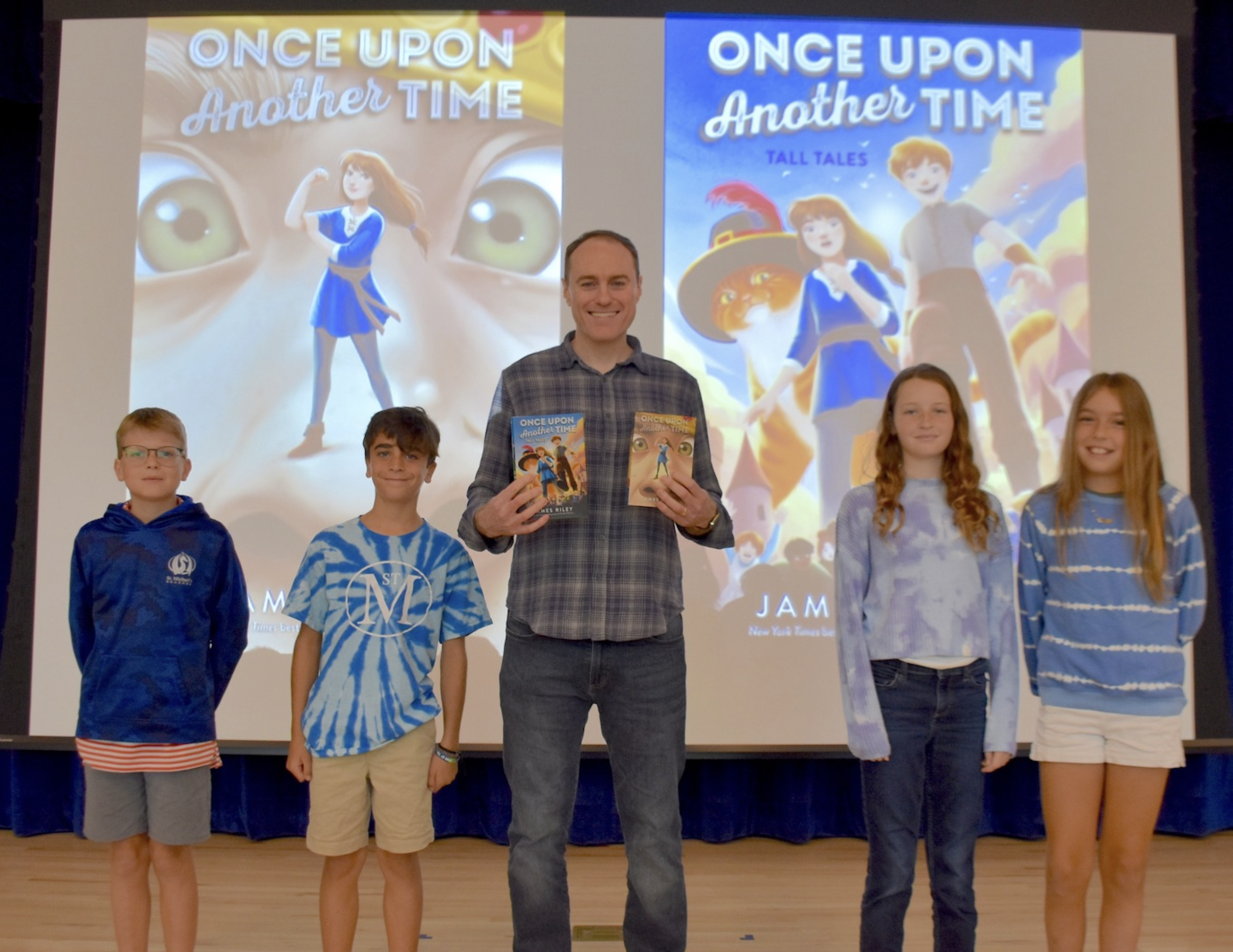
Visiting authors—such as James Riley, Clay McLeod Chapman, R.A. Pratt, Tad Hills, James Preller, Ben Guterson, Mary Amato, A.M. Pace, and Newbery Honor winner Cece Bell—bring stories to life, inspiring a lifelong love of reading. Middle School students use the library individually, in classes, or in small groups to research, create, and explore new ideas.
Search the Library Catalog
Technology
Balanced, purposeful, and creative
At St. Michael’s, technology enhances learning while keeping human connection at the center. Our K–8 one-to-one program (Chromebooks and iPads) integrates meaningful tech into the classroom, teaching students to solve problems, conduct research, and create using tools like word processing, spreadsheets, presentations, podcasts, 3-D design, and more.
Middle School students explore coding with Scratch, HTML, CSS, Python, JavaScript, and Gamestar Mechanic, applying their skills in hands-on, creative projects. Every student signs an Acceptable Use Policy to ensure responsible use.
Digital Citizenship is a cornerstone of our program. Partnering with Common Sense Media, our K–8 curriculum teaches students to navigate media responsibly and thoughtfully. St. Michael’s was the FIRST independent school in Richmond to earn Common Sense School certification, highlighting our commitment to teaching safe, responsible, and ethical technology use.
Technology & Acceptable Use Policy
St. Michael’s Lower School (K-5), Middle School (6-8), and Extended Day Programs (K-8) are all phone-free and wearable-free for students. This means that personal phones, smartwatches, and other wearable digital devices for students are not permitted on campus.
This decision is the result of thoughtful reflection, research, and community conversations —including with St M families who participated in our Dragon Dialogue on Jonathan Haidt’s The Anxious Generation. We are deeply aware of the growing evidence linking early smartphone use and constant connectivity to increased anxiety and decreased attention in children and teens. We believe this shift will support student well-being, encourage healthy interpersonal interactions, and minimize classroom distractions.
Fine Arts
Creativity, expression, and inspiration
At St. Michael’s, the Fine Arts are central to learning, with programs in art, music, dance, and drama that nurture each student’s creativity. Visual arts classes explore diverse media, techniques, and the work of celebrated artists, while music classes cover theory, singing, movement, instruments, and special offerings like drumming in sixth grade and beginning guitar in seventh and eighth grade.
Fourth grade students participate in the Richmond Ballet’s “Minds in Motion” program, culminating in a spring performance at Richmond’s Center Stage. Middle Schoolers bring creativity to life through an annual musical theater production, and the community celebrates all student artwork and musical talent each May at the all-school Celebration of the Arts.

Athletics
St. Michael’s physical education classes strive to help students master coordination skills and develop attitudes for a healthy lifestyle. Team sports stress teamwork and good sportsmanship. Beginning in third grade, students may participate in intramural field hockey and soccer. Fourth-sixth graders have an opportunity to play in our SMBA intramural basketball league.
Competitive Inter-Collegiate Middle School Sports (for Grades 6-8) Include:
- Field Hockey
- Basketball
- Swimming
- Lacrosse
- Cross Country
- Track
- Soccer
- Golf
- Tennis
St M also offers a mountain biking program (a popular favorite with our students)—taking advantage of an exciting trail system on our 70-acre Campus.
Student Electives
St. Michael’s Middle School electives provide opportunities for students to explore individual interests in a supportive atmosphere. Middle School electives meet weekly during the school day. Offerings vary by season and may include:
- Rocket Science
- Student Newspaper/Journalism
- Outdoor Adventures/Canoeing/Camping
- VEX Robotics
- Coding/Website Design
- Art
- Photography/Film-making
- Fitness and Conditioning
- Personal Finance
- Improv/Drama
- Jam Session (our Middle School rock band)
The Middle School Student Community Association is led by student-elected representatives who coordinate service projects, social activities, pep rallies, and school dances.
The Lower School offers many after-school enrichment opportunities including: art, fishing, mountain biking, yoga, cooking, golf, flag football, intramural soccer, intramural field hockey, coding, nature exploration, and more!
Outdoor Education
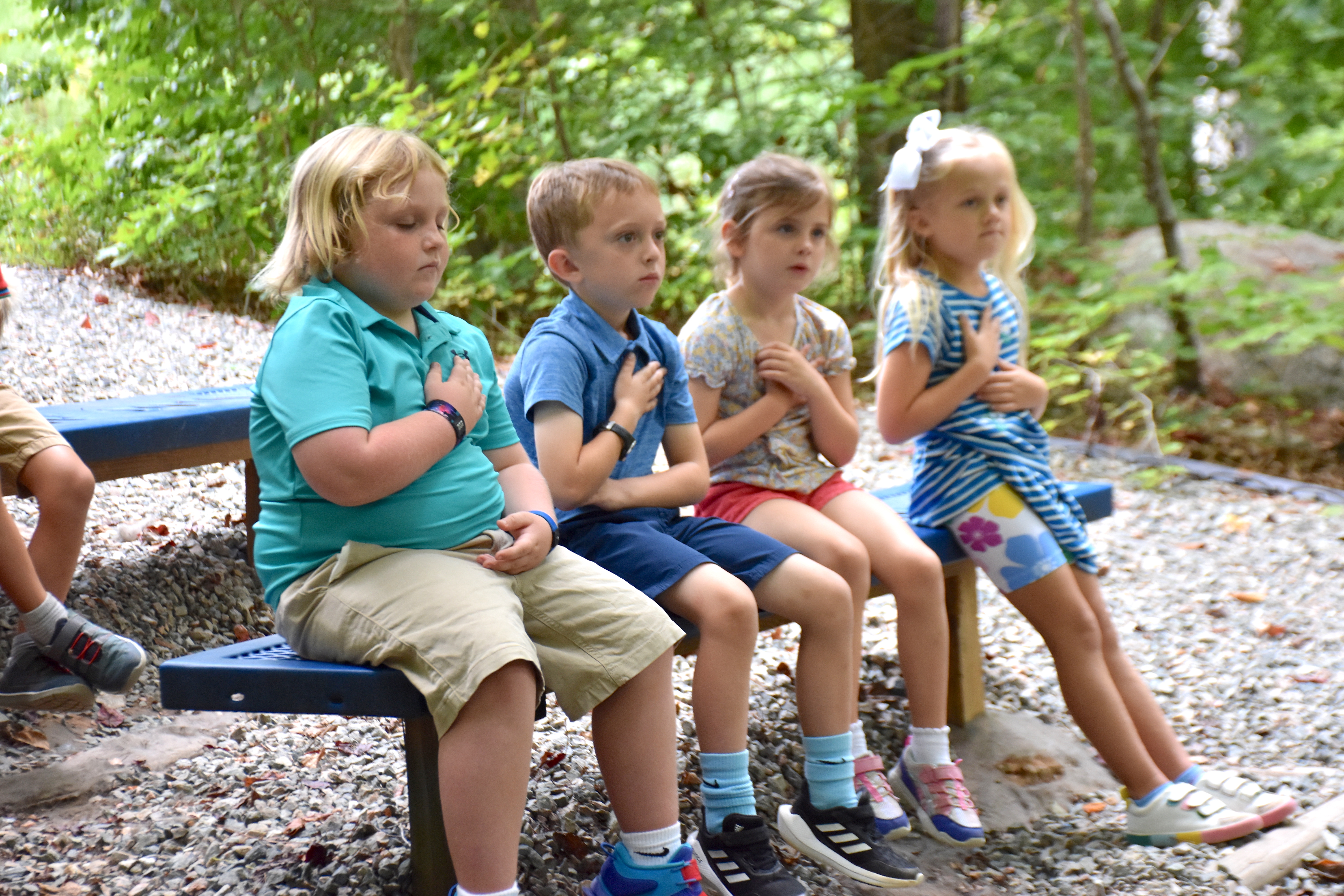
Kids belong outdoors! Our majestic 70-acre campus offers boundless opportunities for nature discovery on our trails, creeks, waterfall, bridges, and lake. It’s no wonder that our weekly outdoor education classes are a perennial favorite with our students. We continue to investigate ways to enrich the program, creating a unique offering that focuses on children’s emotional wellness which is so needed in these uncertain times.
Our Reading and Therapy Dog
Stanley, our reading dog, is a trained therapy dog (Bernadoodle) and a beloved member of our School. Every day, he inspires our students to read, instinctively knows when someone needs cheering up, and puts big smiles on the faces of all they meet.
As emerging readers, our first graders participate in our Reading Dog program, which is successful in building confidence in young readers and increasing motivation to read independently.
“Perhaps the greatest benefits of therapy dogs in the classroom are the effects on students’ social-emotional development AND cognitive development. Interacting with therapy dogs improves students’ reading skills, stimulates memory and problem-solving skills, and even optimizes executive-functioning skills.” (Source: National Institutes of Health study)

As emerging readers, our first graders participate our Reading Dog program.
Robotics
STEM, teamwork, and innovation in action
Beginning in sixth grade, students join VEX IQ League robotics, collaborating in co-ed teams to design and program robots for exciting challenge tasks. In Spring 2025, our Blue Dragon team once again advanced to the State Tournament, reflecting the skill, creativity, and dedication of all our robotics Dragons.
At St. Michael’s, robotics fosters STEM expertise, coding proficiency, problem-solving, and teamwork, building on a long tradition of innovation and success.
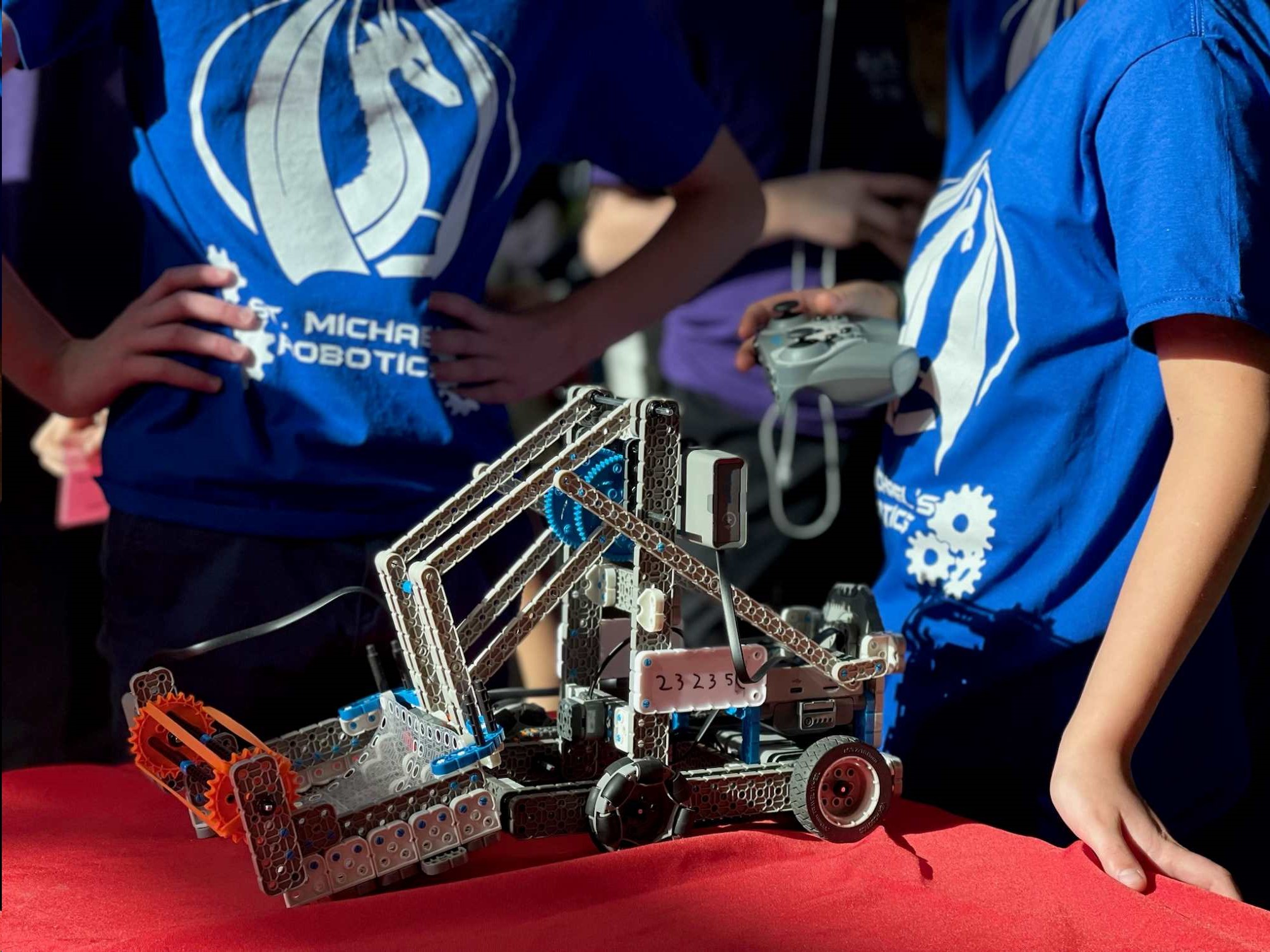
In 2025, our Blue Dragons robotics team advanced to the state tournament.